
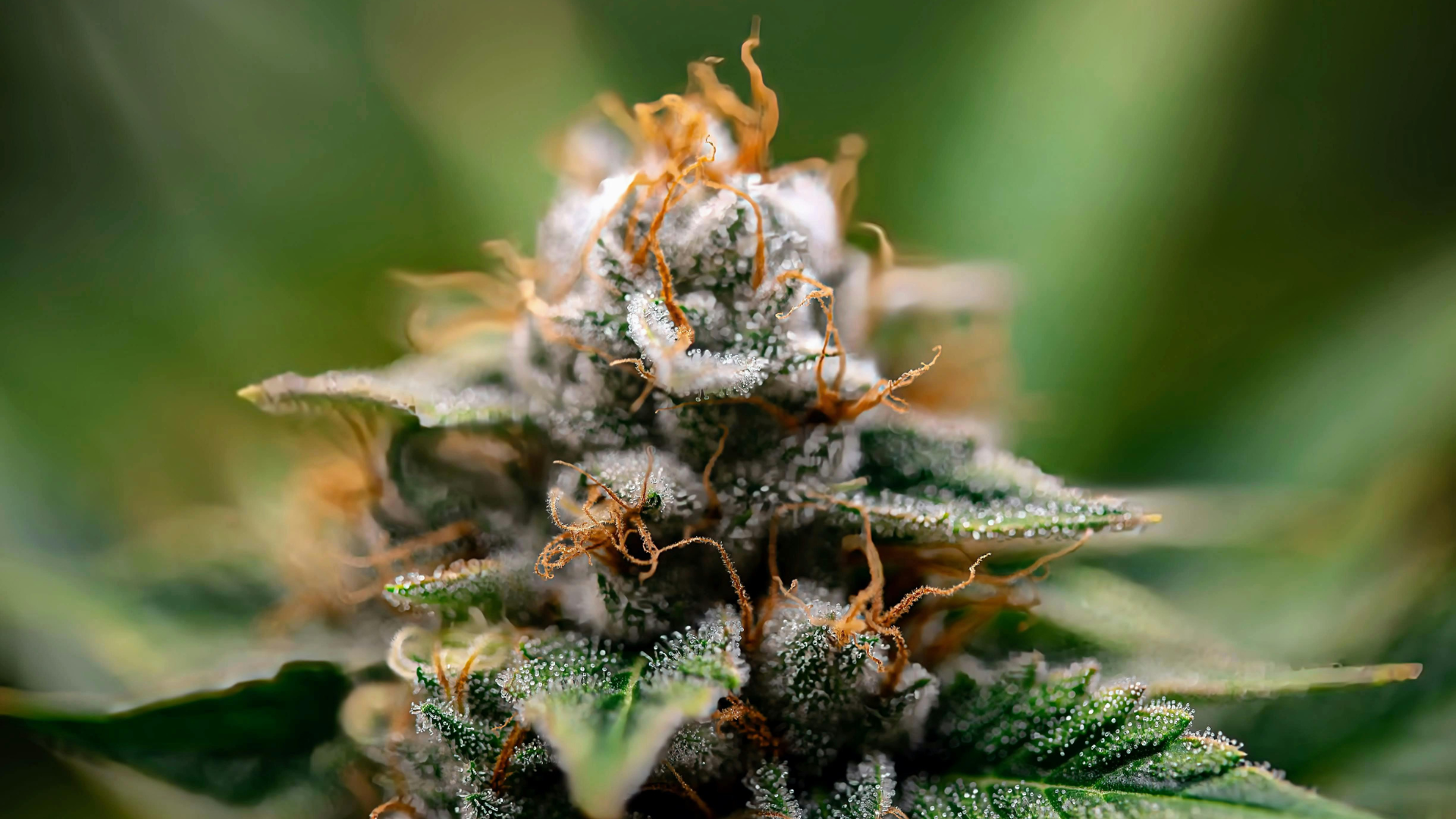

Description
What Is Enigmas?
Enigmas is a name often used for a distinctive cultivated mushroom variety associated with unusual growth characteristics. In mycology, varieties like this are studied for their morphology, genetic expression, and overall development.
Its characteristics often include:
Dense fruiting structure
Irregular or coral-like growth
Unusual surface texture
Distinctive coloration
Slow or atypical development
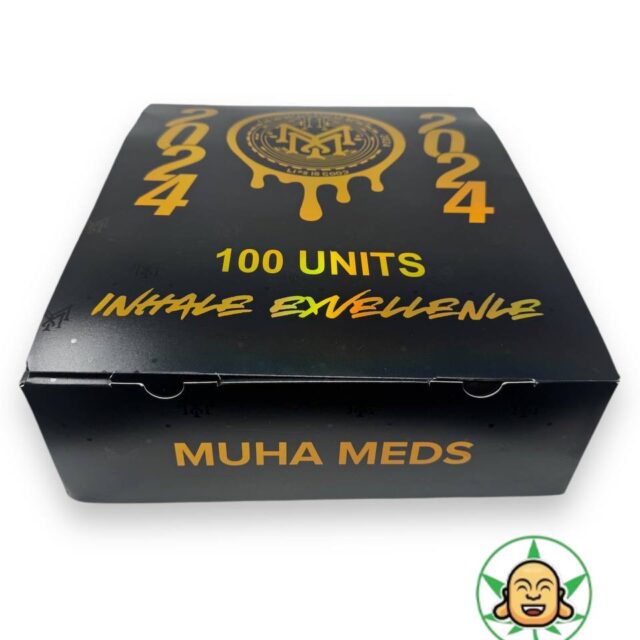
Packaging and labeling information
Product and specimen characteristics can vary depending on genetics, cultivation methods, and post-harvest handling.
Taxonomy and Classification
Enigmas belongs to the broader category of fungi.
Scientific and technical classification includes:
Category: Fungi
Product Type: Mushroom
Genetic Profile: Cultivated variety or mutation
Use Case: Botanical specimen or educational reference
Packaging: Jarred, bagged, or sealed container
Function: Consumer education or mycology reference
Understanding product classification helps distinguish mushrooms from other natural products and fungal formats.
Morphological Characteristics
Mushrooms are often identified using visible and structural characteristics.
Enigmas may display:
Dense clustered formations
Coral-like or brain-like structure
Thick tissue development
Irregular growth patterns
Unique surface texture
Reduced resemblance to typical cap-and-stem mushrooms
Appearance, texture, and structure can vary depending on phenotype, environmental conditions, and handling practices.
Understanding Mushroom Genetics
Modern mushroom varieties are developed or selected to emphasize desirable traits such as structure, consistency, and unique morphology.
Common breeding goals include:
Stable development
Uniform growth
Distinctive appearance
Healthy mycelial performance
Unique structural traits
Consistent specimen quality
Genetics play a major role in the diversity seen among cultivated mushroom varieties.
Morphology Profile Explained
Morphology refers to the form and structure of an organism. In mushrooms, morphology helps explain how a specimen develops and how it differs from other varieties.
Enigmas is often associated with a morphology that may include:
Dense Growth
Compact and tightly formed tissue.
Irregular Structure
Growth that does not follow the typical cap-and-stem pattern.
Coral-Like Appearance
Branching or clustered formations that resemble coral or brain-like textures.
Surface Texture
A distinctive outer appearance that may differ from standard mushroom forms.
Developmental Variation
Growth patterns that can change depending on genetics and environmental conditions.
The exact morphology depends on the variety, growing conditions, and post-harvest process.
Fungal Compounds in Mushrooms
Mushrooms may contain a variety of naturally occurring compounds, including:
Polysaccharides
Proteins
Fiber
Pigments
Other minor fungal compounds
Laboratory testing and scientific observation are used to better understand mushroom composition and provide accurate product information.
Composition can vary depending on:
Genetics
Cultivation methods
Harvest timing
Drying and curing
Storage conditions
Understanding Mushroom Cultivation
Modern mushroom cultivation is a controlled process designed to support healthy fungal development and specimen quality.
Common cultivation goals include:
Healthy mycelial growth
Proper fruiting development
Structural consistency
Texture preservation
Clean post-harvest handling
Accurate labeling and documentation
Cultivation practices play a major role in the final quality of the mushroom.
Life Cycle of a Mushroom
Like many fungi, mushrooms develop through several stages:
Spore germination
Mycelium growth
Colonization
Primordia formation
Fruiting body development
Spore release or specimen maturation
Each stage depends on proper environmental conditions, nutrition, and fungal care.
Storage and Preservation
Proper storage helps preserve mushroom quality.
General recommendations include:
Keeping mushrooms in a cool, dry place
Avoiding excess heat
Protecting the product from moisture
Storing away from direct sunlight
Using airtight containers when appropriate
Checking packaging dates and testing information
Storage methods vary depending on the mushroom and packaging used.
Why Mushroom Education Matters
Mushrooms and specialty fungal varieties are becoming more common in modern retail and consumer culture. Learning about genetics, morphology, and storage helps people better understand what they are purchasing.
Educational topics include:
Species lineage
Morphological traits
Fungal composition
Structure and texture
Label reading
Product categories
Responsible consumer awareness
At BuddhaBrosL, we focus on educational content that helps readers understand fungi, mycology, and specialty mushroom products.
Frequently Asked Questions
What is Enigmas?
Enigmas is a name often used for a distinctive cultivated mushroom variety known for its unusual growth form and structural characteristics.
What does a mushroom contain?
Mushrooms may contain polysaccharides, proteins, fiber, pigments, and other naturally occurring fungal compounds depending on the variety.
Why is morphology information important?
Morphology information helps consumers and researchers understand structure, texture, and the overall identity of a mushroom variety.
Why is storage important?
Proper storage helps preserve freshness, texture, appearance, and overall mushroom quality.
What is mushroom product education?
Mushroom product education covers genetics, labeling, morphology, composition, storage, and responsible consumer awareness.
Where can I learn more?
At BuddhaBrosL, we provide educational resources covering fungi, mushroom varieties, mycology, natural products, and consumer education.
Conclusion
Enigmas highlights the growing interest in modern mushroom genetics and distinctive fungal development. From structural characteristics to morphology and storage, it serves as an interesting subject for mushroom education. Through education, readers can better understand fungal diversity, product labels, and the broader world of cultivated mushrooms


Reviews
There are no reviews yet.